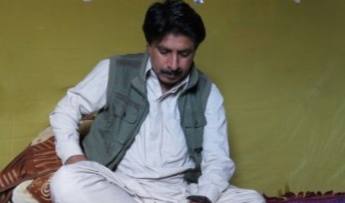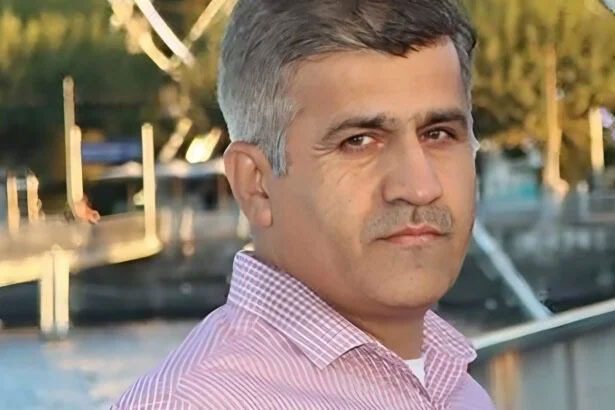
Quetta: The courage and political legacy of Banuk Karima Baloch continue to inspire the resistance of oppressed nations across the region, particularly Baloch women, said Hassan Dost Baloch, Junior Joint Secretary of the Baloch National Movement (BNM).
He was addressing a memorial ceremony held in honor of Banuk Karima at the Shaheed Anwar Advocate Zone (Kech–Gwadar). Speakers at the event paid tribute to Karima Baloch’s role in strengthening political consciousness within the Baloch national movement and highlighting the struggle of oppressed peoples at regional and international levels.
Hassan Dost Baloch stated that members of the BNM are the true successors of Banuk Karima’s political struggle and are carrying her mission forward. He said that the Pakistani state attempted to marginalize Baloch political resistance by pushing youth toward armed conflict and isolating urban centers from national politics. However, he added that leaders such as Waja Ghulam Mohammad and Banuk Karima ensured the continuity of a politically conscious national movement.
He emphasized that the Baloch movement has moved beyond tribal and familial divisions and that activists remain its most valuable asset. While acknowledging the sacrifices involved in liberation struggles, he stressed the importance of safeguarding activists’ lives and minimizing losses wherever possible.
Responding to questions, Hassan Dost Baloch said that Banuk Karima’s struggle has not weakened with time. On the contrary, he noted, the role of women in the Baloch resistance has grown stronger, demonstrating the lasting impact of her leadership. He described the enforced disappearances of Baloch women as deeply painful and said the intensification of state repression reflects the continued strength of the resistance.
He also criticized Canadian authorities for what he termed an unsatisfactory investigation into the death of Banuk Karima, saying the case was closed without a transparent and detailed report. He suggested that political pressure or economic interests such as Canadian involvement in projects like Reko Diq may have influenced the handling of the case.
Hassan Dost Baloch further stressed that oppressed nations must rely on their own strength rather than international powers, adding that global attention follows only when internal power is built. He highlighted the need for understanding modern technology and adapting strategies accordingly, while also accusing the Pakistani state of targeting Baloch women as a form of collective punishment.
He acknowledged the limitations of the Baloch diaspora in exerting international pressure but said that BNM’s diplomatic efforts in recent years have been more effective than in the past. According to him, BNM activists abroad have played a key role in organizing and advancing Baloch national politics internationally.
The ceremony was moderated by Jihand Baloch, Secretary of the BNM Shaheed Anwar Advocate Zone.