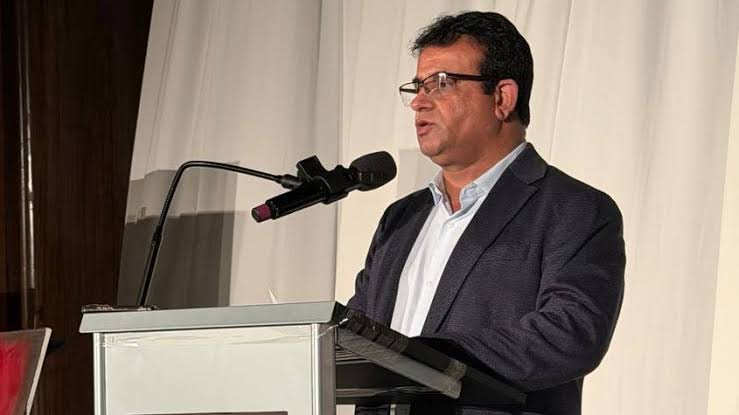
GENEVA: Sindh, Balochistan “homelands of ancient nations”, says BNM chairman at Geneva conference
Baloch National Movement (BNM) Chairman Dr Naseem Baloch said Sindh and Balochistan are not merely geographical regions but the homelands of ancient nations with their own histories, identities and cultures, as he called for solidarity between Baloch and Sindhi activists.
He was speaking at an international conference on Sindh organised in Geneva by the World Sindhi Congress (WSC), where he discussed political and human rights issues in both regions, according to a statement.
“When we talk about their future, we are talking about the future of millions of people who want to live in their homeland with dignity, security and freedom,” he said.
Dr Baloch said one of the most painful aspects of the current situation was the suffering of families whose relatives had been forcibly disappeared. He said Sindhi mothers, sisters and families were still carrying photographs of their loved ones, seeking information and demanding answers.
He said the pain was familiar to Baloch people, who had also seen mothers waiting and families searching for disappeared relatives. “That is why the pain of a Sindhi mother is not unfamiliar to us,” he said.
Dr Baloch expressed concern about religious extremism in the region. He said Sindh is known as the land of Sufis, with a cultural heritage tied to spiritual traditions, tolerance and pluralism, but concerns about extremism and the safety of religious minorities were growing.
He said reported cases of forced religious conversions and forced marriages of underage girls had caused serious concern among human rights activists and civil society and should be understood in their wider political, social and institutional context rather than as isolated incidents. He said many of these problems stemmed from the Partition of India and the creation of Pakistan.
He said many Sindhis migrated to India after Partition and that migration into Sindh changed its demographic, political and economic landscape. Local Sindhis, he said, continue to face political marginalisation, economic insecurity and demographic change. He added that without Partition and the creation of Pakistan, Balochistan and Sindh would have been independent, sovereign countries.
Addressing nationalist political activists, Dr Baloch said national struggles cannot rely on emotion alone. Pain can awaken a nation, he said, but political vision must guide it and organisation is needed to turn a movement into a lasting political process.
He said the international environment was changing quickly, with shifting alliances, evolving global institutions and new centres of influence. In this setting, he said, Baloch and Sindhi people must ensure their voices are heard by documenting their history, grievances and political aspirations carefully and presenting them clearly to the world. He urged outreach to international institutions, civil society, parliamentarians, academics, journalists and human rights groups.
Dr Baloch said the Baloch and Sindhi struggles have their own histories, political conditions and forms of resistance, but are deeply connected. “We are neighbours,” he said, adding that the two peoples’ histories have been linked for centuries and that both face questions of identity, political rights, control over resources, dignity, security and the right to shape their future.
He urged both nations to ensure that future generations inherit not only the memory of suffering but also the courage to build a future based on dignity, freedom and justice.