KABUL, AFGHANISTAN: The U.N. Assistance Mission in Afghanistan (UNAMA) has confirmed that at least 10 civilians, most of them children, were killed in airstrikes in Afghanistan’s Kunar and Helmand provinces. The Taliban government says the strikes were carried out by Pakistan, which Pakistan says it targeted militant hideouts.
In a post on X, UNAMA said nine other people were injured in the strikes, which it said took place earlier the same day.
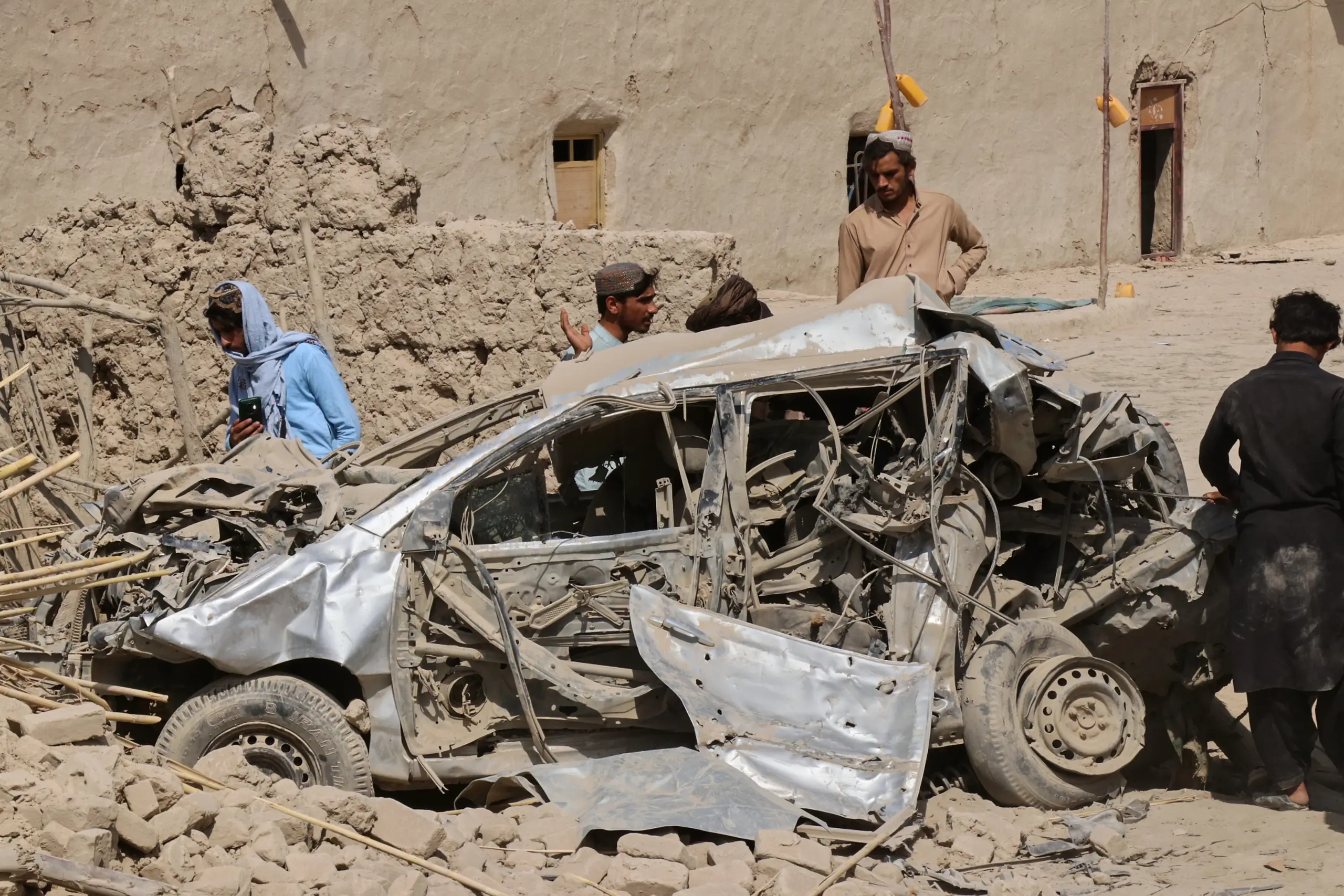
The Taliban government earlier said Pakistan carried out the overnight strikes, killing nine people, including women and children, and wounding 11. Taliban spokesman Zabihullah Mujahid said in a statement on X that the strikes hit civilian homes in the Chogham area of Kunar and the Garmser area of Helmand. He posted photos of children he said were killed. Afghan officials said three houses were destroyed.
Pakistan’s Ministry of Information confirmed the strikes in a statement on X. It said its forces targeted what it called militant hideouts at two locations in Afghanistan, as part of Operation Ghazab lil Haq. The ministry said the strikes were carried out with high precision based on verified intelligence, that preliminary reports indicated 22 militants were killed, and that a large quantity of weapons and ammunition was destroyed. Pakistani officials did not say where in Afghanistan the strikes took place.
UN expert calls for accountability
Richard Bennett, the U.N. Special Rapporteur on the situation of human rights in Afghanistan, called for accountability in a post on X.
“Accountability is paramount after another air strike that has killed civilians, most of them children,” Bennett wrote. “Is this incompetence, negligence or worse?”
He said there was no justification for “such irreparable harm to civilians” and that the strike “appears to violate international human rights and humanitarian law.” He used the hashtags #Afghanistan and #Pakistan in the post.
Bennett is a human rights advocate with 30 years of experience. Special Rapporteurs are independent experts appointed by the U.N. Human Rights Council and do not speak for the United Nations as a whole.