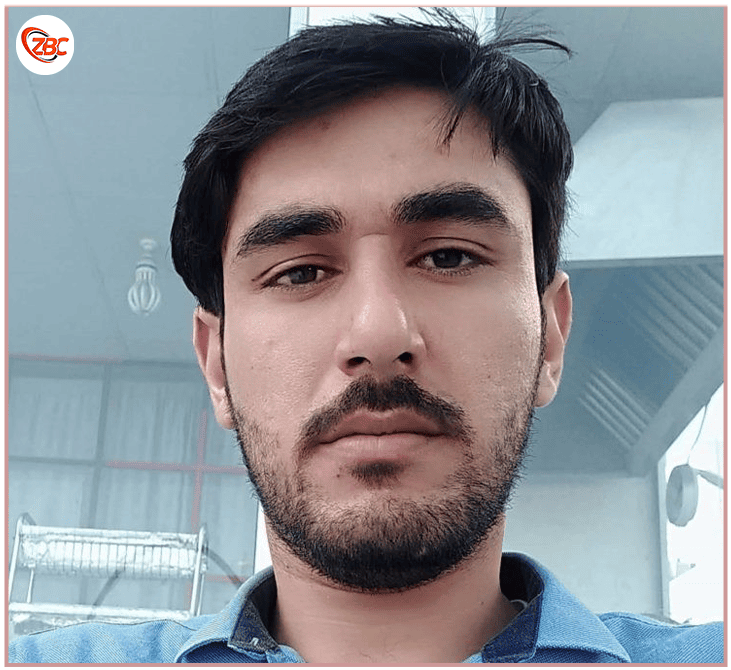
GWADAR, BALOCHISTAN: The bodies of three young Baloch men, previously reported as forcibly disappeared, were recovered in the Kuldan area of Dannuk, Gwadar.
The victims have been identified as Hassan Rafiq, Ehsan Hassan and Nadil Baloch, all of whom had reportedly been in the custody of Pakistani forces prior to their deaths.
Hassan Rafiq was released on bail from Turbat Jail on 24 August 2026 but was taken back into custody by security personnel immediately outside the jail. He remained missing until his body was later found in Dannuk.
Ehsan Hassan, son of political figure Muhammad Hassan Baloch, was picked up along with his brother, Balach Hassan, during a night raid on their family home in Tal Sar, Jiwani, on 22 January 2026. No warrants were presented and the brothers’ whereabouts were not disclosed following the raid.
Nadil Baloch, a 20-year-old student and son of Muhammad Naeem, was reportedly taken from his home in Panwan, Gwadar, at around 1:30 a.m. on 19 April 2026, during a broader security operation in the area. Frontier Corps and military intelligence personnel were responsible for the rai, according to eye witnesses.
The three bodies were later found together in Kuldan, Dannuk, with a note bearing each victim’s name placed in their pockets an indication, rights groups say, that those responsible were aware of the victims’ identities.
Paank Condemns the Extrajudicial Killing of Hassan Rafiq, Ehsan Hassan and Nadil Baloch by Pakistani Forces
Paank, the human rights wing of the Baloch National Movement (BNM), issued a statement strongly condemning the killings, holding Pakistani security forces responsible for the men’s enforced disappearance, unlawful detention and subsequent deaths.
The organization described the sequence of events from disappearance to secret detention to the recovery of the bodies as a grave human rights violation warranting urgent international scrutiny. Paank reiterated that enforced disappearance followed by extrajudicial killing “cannot go unpunished” and called on international human rights mechanisms to intervene.