QUETTA: Barrick Mining is reviewing its gold and copper project in Pakistan’s Balochistan province, known as the Reko Diq project, after a sharp escalation in separatist attacks across the region raised fresh concerns over the viability of large-scale foreign investment, according to company statements and security developments tracked by wire services, Reuters.
The Chief Executive of Barrick Mining, Mark Bristow, said during a post-earnings call that the company’s board is reviewing all aspects of its gold and copper project in Balochistan, including capital allocation and timelines, after a surge in security incidents in the province.
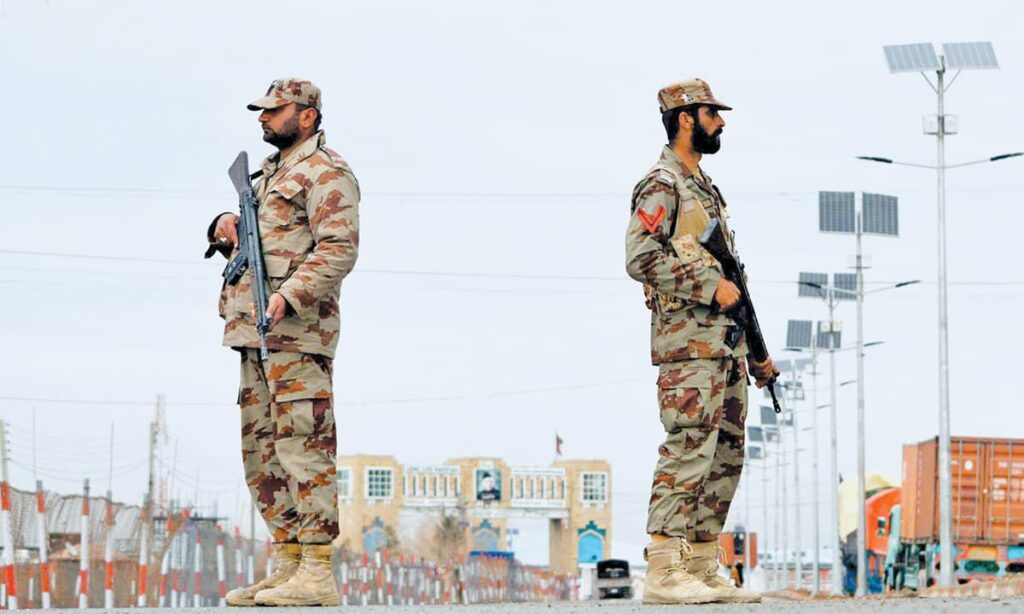
The reassessment follows a coordinated campaign of attacks claimed by the Baloch Liberation Army (BLA), which said it carried out a multi-day operation dubbed “Herof 2.0” between January 31 and February 6. According to reports cited by Reuters, the attacks targeted security and government-linked facilities across Balochistan, resulting in nearly 50 deaths.
The operation marked one of the most sustained bursts of militant activity in the province in recent months and coincided with renewed warnings from Baloch armed groups against foreign-backed mining and infrastructure projects.
Separately, the Balochistan Liberation Front (BLF) carried out an earlier attack in Nokundi, a remote area of Chagai district located near the Saindak copper-gold mine and the multibillion-dollar Reko Diq project. The proximity of the attack to key mining assets reinforced longstanding concerns among investors about the exposure of extractive projects to insurgent activity.
Baloch militant groups have repeatedly accused the Pakistani state and foreign companies of exploiting the province’s natural resources without benefiting local populations, and have increasingly framed mining projects as legitimate targets.
Barrick’s Reko Diq project, jointly owned by the company and the Pakistani government, is considered one of the world’s largest undeveloped copper and gold deposits and a central pillar of Pakistan’s plans to revive its mining sector. Development of the project has already faced years of delays due to legal disputes, political uncertainty, and security challenges.
The latest attacks highlight how renewed militant activity could complicate efforts to move the project forward, despite recent progress on financing and feasibility studies.
While Barrick has not announced any suspension or withdrawal, the company said the current review reflects heightened risk levels following the recent escalation in violence, underlining the fragile operating environment in resource-rich parts of Balochistan.