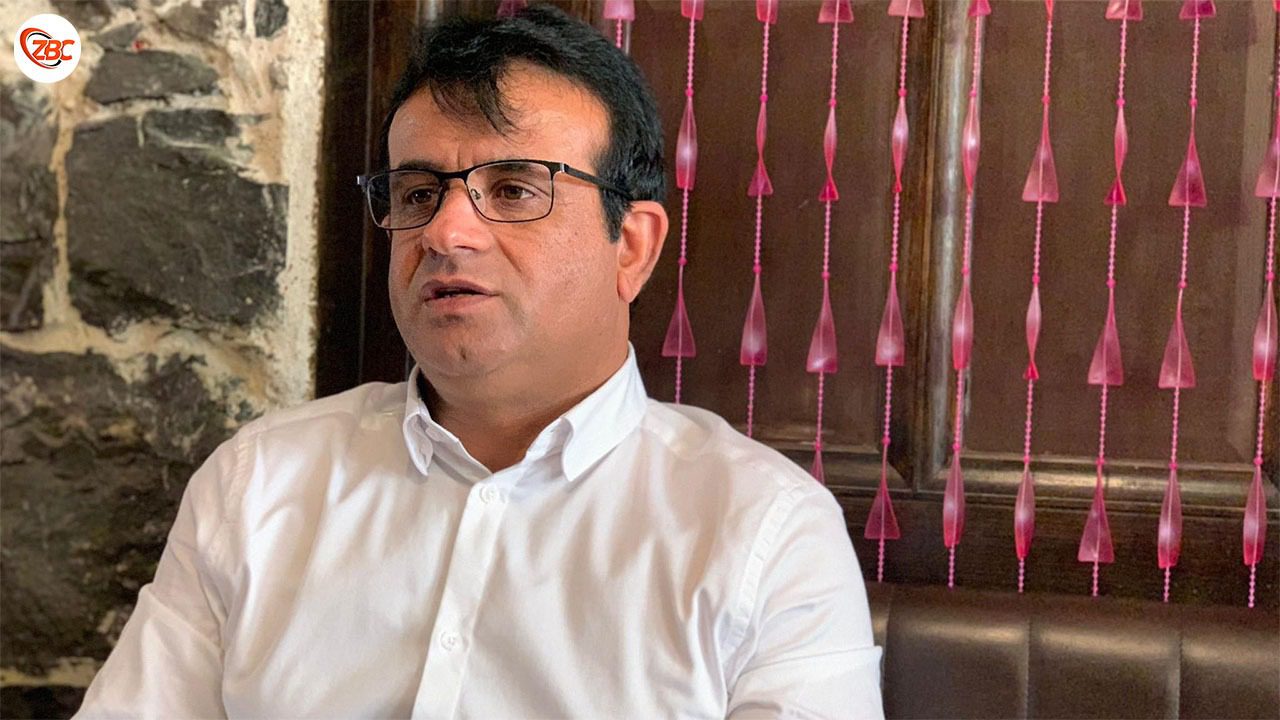
PARIS: Dr. Naseem Baloch, Chairman of the Baloch National Movement (BNM), has strongly condemned the killing of researcher, poet, writer, and teacher Professor Ghamkhwar Hayat, describing the incident as part of an ongoing pattern of systematic targeting of Baloch intellectuals and a continuation of what he called Baloch genocide and collective punishment in Balochistan.
Dr. Naseem Baloch drew a direct parallel to the assassination of renowned Baloch poet and intellectual Professor Saba Dashtyari fifteen years ago, stating that both killings reflect the same state policy of eliminating Baloch intellectual voices. He paid tribute to Professor Ghamkhwar Hayat, noting that he was the author of nearly eighteen books and describing his loss as irreparable for the Baloch nation and for both the Balochi and Brahui languages.
The BNM Chairman invoked the events of December 14, 1971, when he said the Pakistani military killed more than 200 prominent intellectuals in Bangladesh in a single day, stating that the same painful pattern was now being repeated in Balochistan. “This is the systematic killing of a nation’s intellectual consciousness,” he said.
Dr. Naseem Baloch said that for many years, Baloch intellectuals, students, teachers, poets, and writers have been systematically targeted to silence the Baloch national voice and keep society mentally suppressed. He described the assassination of Professor Ghamkhwar Hayat as further proof of the deteriorating human rights situation in Balochistan, where he alleged perpetrators continue committing what he called war crimes with complete impunity.
“Teachers, intellectuals and literary figures form the intellectual backbone of any nation and attacks on them are in fact attacks on Baloch national thought, identity, history, language and consciousness,” Dr. Naseem Baloch said, adding that truth cannot be suppressed through oppression, murder and fear.
The BNM Chairman called on international human rights organisations, the United Nations, literary associations, and media institutions to take notice of extrajudicial killings, enforced disappearances, and state repression against Baloch intellectuals and civilians, and to hold Pakistan accountable for serious human rights violations.