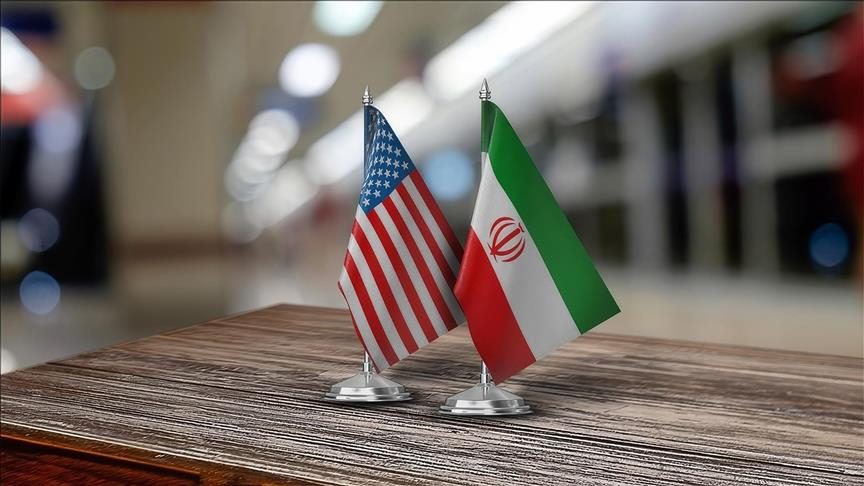
US-Iran Ceasefire: In a significant development, President Donald Trump announced that the United States will assist in managing the “traffic buildup” in the strategically crucial Strait of Hormuz as part of the newly agreed ceasefire with Iran. Trump expressed optimism, stating that “big money will be made” and highlighted that Iran is now positioned to begin reconstruction efforts.
Under the terms of the ceasefire, Iran will be authorized to collect transit fees from vessels passing through the Strait of Hormuz, with the revenues earmarked to fund rebuilding projects within the country. This arrangement aims to stabilize the region and foster economic recovery following heightened tensions. The US involvement in managing maritime traffic is expected to prevent blockages and conflicts that could disrupt global oil supplies, given Iran’s strategic position in this vital waterway.
The ceasefire represents a temporary easing of hostilities between the US and Iran, with hopes that it will pave the way for further diplomatic negotiations. Iran’s reconstruction efforts funded by transit fees are anticipated to revitalize its economy, signaling a potential turning point following months of conflict.
However, the ceasefire’s scope is limited, as it excludes Lebanon from its terms. Israeli forces launched an attack on the southern Lebanese city of Tyre late Tuesday, following a forced displacement order issued by the military. The attack occurred mere hours before Israeli Prime Minister Benjamin Netanyahu clarified that Lebanon is not included in the US-Iran ceasefire agreement. Netanyahu’s recent statements suggest the ceasefire was negotiated under conditions favorable to his administration.
Political analyst Trita Parsi shared during a discussion with Al Jazeera that President Trump accepted the ceasefire as he faced “no good options,” warning that an expanded conflict involving the US and Israel could jeopardize his presidency.
The ceasefire agreement encompasses the following critical points:
Regional geopolitical dynamics remain complex and fluid.
Iran will collect transit fees in the Strait of Hormuz to fund rebuilding.
The US will help manage maritime traffic to avoid congestion and conflict.
The ceasefire aims to reduce military tensions in the Persian Gulf.
Iran’s reconstruction efforts are set to boost its economic stability.
The agreement excludes Lebanon, where conflict continues.
The Strait of Hormuz remains a key global oil transit route.
The ceasefire signals a cautious thaw in US-Iran relations.
Political considerations influenced the US decision to accept the ceasefire.
The ceasefire may serve as a foundation for future negotiations.
Overall, the ceasefire marks a cautious step toward stability in a volatile region, balancing economic interests, geopolitical realities, and ongoing regional conflicts.