QUETTA: The Baloch Yakjehti Committee (BYC) has strongly condemned the conduct of trial proceedings held on Saturday, February 7, before Anti-Terrorism Court–I, saying bias and prejudice against BYC leaders. The committee described the proceedings as an attempt to legitimize a predetermined outcome, undermining the principles of a fair trial.
In a statement, the BYC said the presiding judge repeatedly interrupted defense counsels, made dismissive remarks, and displayed a hostile posture toward the accused. The committee called this a violation of the principles of natural justice and constitutional guarantees under Article 10-A of Pakistan’s Constitution.
Dr. Mahrang Baloch, representing the defense, reportedly raised concerns over judicial bias and improper conduct, noting multiple orders during the trial that violated fundamental rights. According to the statement, the judge, Muhammad Ali Mubeen, responded aggressively, stating, “Who will listen to you and your defence counsels?” and “There is no one to listen to your voice.” The BYC described these remarks as incompatible with judicial ethics and independence.
The committee further stated that the defense’s requests to refer the matter to the Registrar of the High Court or transfer the case to another competent court were rejected by the judge. As a result, BYC leaders expressed that they have lost confidence in Anti-Terrorism Court–I to provide a fair trial.
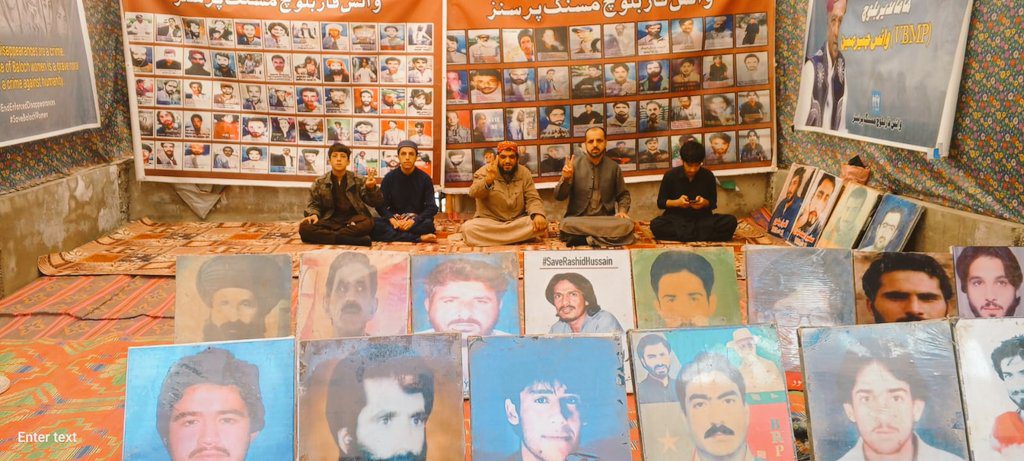
The statement emphasized that the cases against BYC leaders stem from their peaceful political and human rights activities, including advocacy against enforced disappearances, extrajudicial practices and systemic injustices in Balochistan. The BYC criticized the state for criminalizing dissent through coercive legal measures instead of addressing grievances lawfully.
The Baloch Yakjehti Committee called upon the higher judiciary to intervene immediately to protect constitutional guarantees and ensure a fair trial. It also urged the international community, human rights organizations, and independent observers to monitor the proceedings and take notice of the violations of fundamental rights.